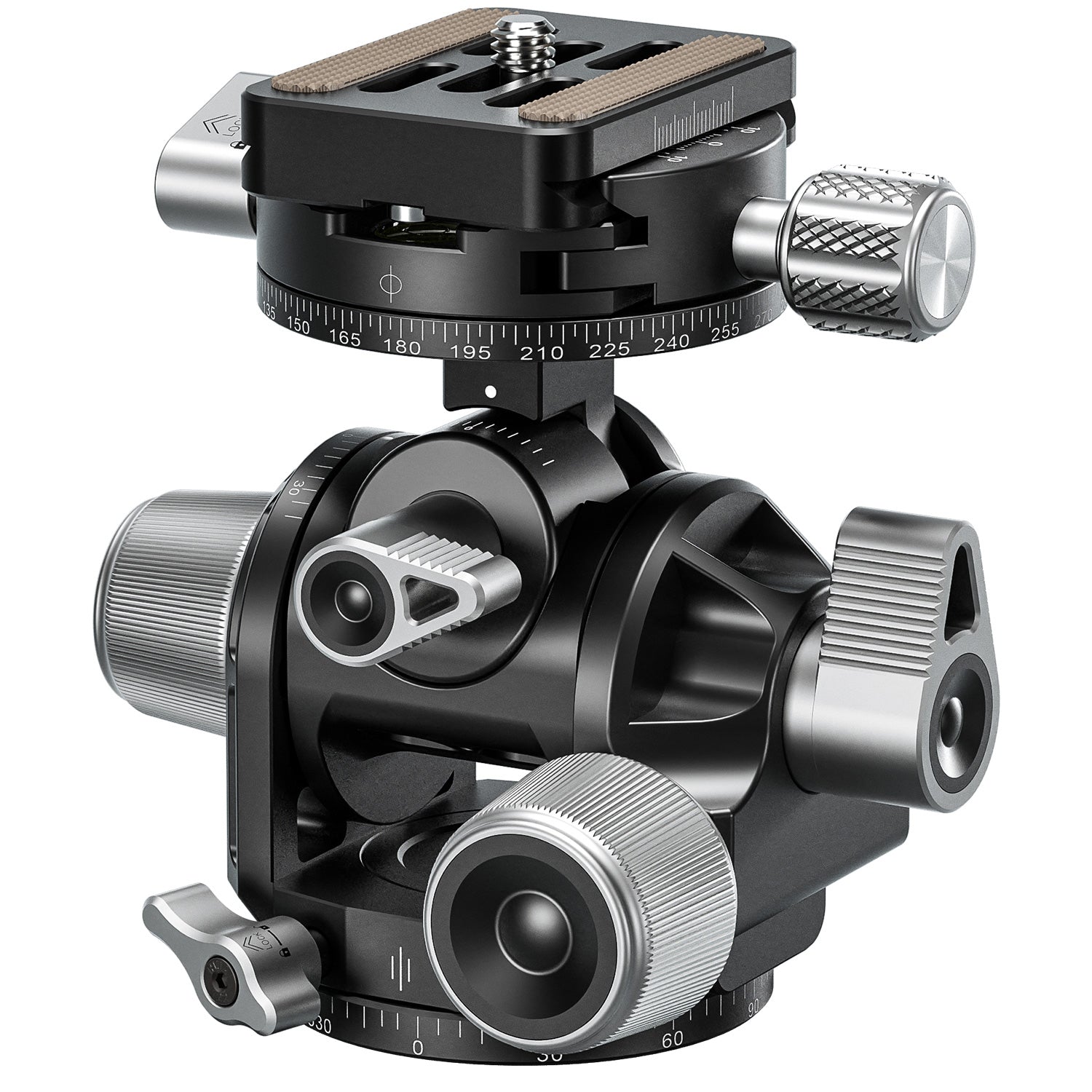
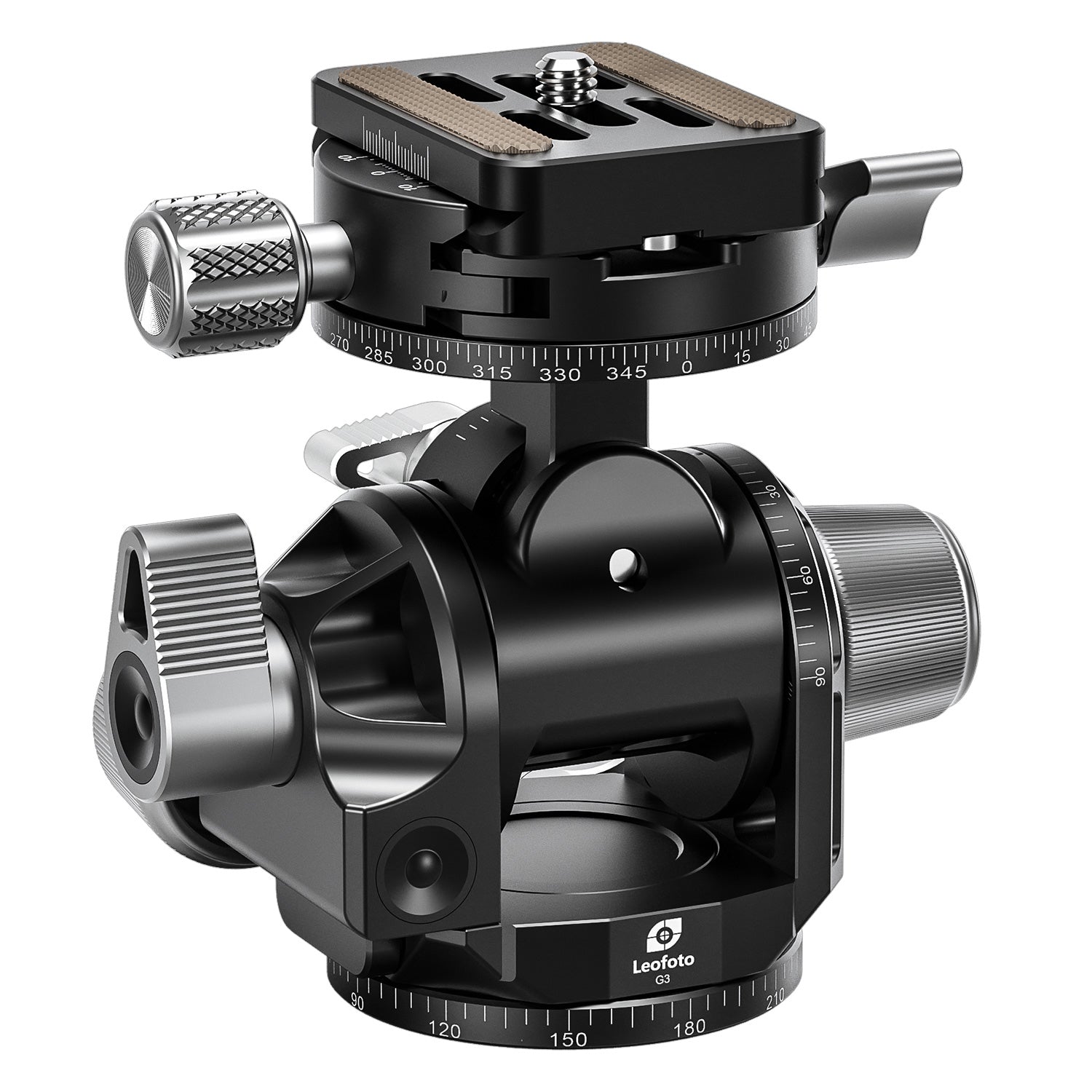
Leofoto G3 Geared Tripod Head

Leofoto G3 Geared Tripod Head

Regular priceR 7,599.00
/
Tax included.

  • Free delivery in South Africa on orders of R1000+
  • In stock, ready to ship
  • Backordered, shipping soon

Kindly note that we do not offer returns on clearance items like the G3. 

When it comes to photographic accessories, there is no greater aid to composition than the fine and precise control of a geared head. This field of tech stagnated a lot during the 2000-2015 period when options were limited to one or two manufacturers’ outdated options. Over the last few years, however, there has been a renaissance of geared heads, with a lot more tripod manufacturers and engineers working on improved designs. This has brought lighter, more compact geared heads to the market that are a dream to use. Pricing ranges from Leofoto’s G2,G3 G4 at R5-R10k up to something like the Arca Swiss Cube which will cost close to R50k with VAT and shipping. Fifty thousand rands for a tripod head? That is not a typo, in case you were wondering!

Geared heads are not cheap, but if you’re someone who composes their images slowly, carefully and with great thought, then a geared head is one of the best purchases you can make. 

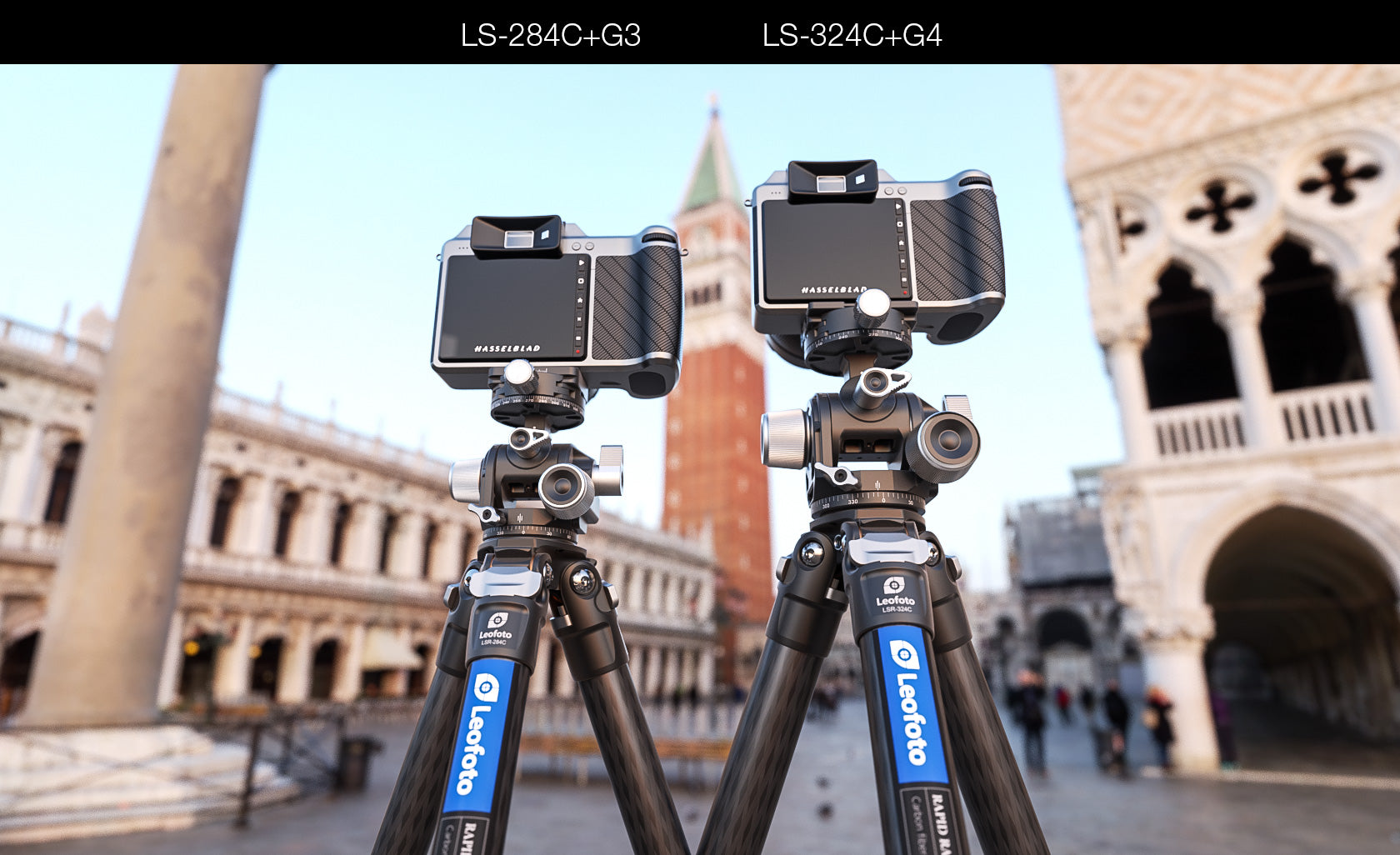
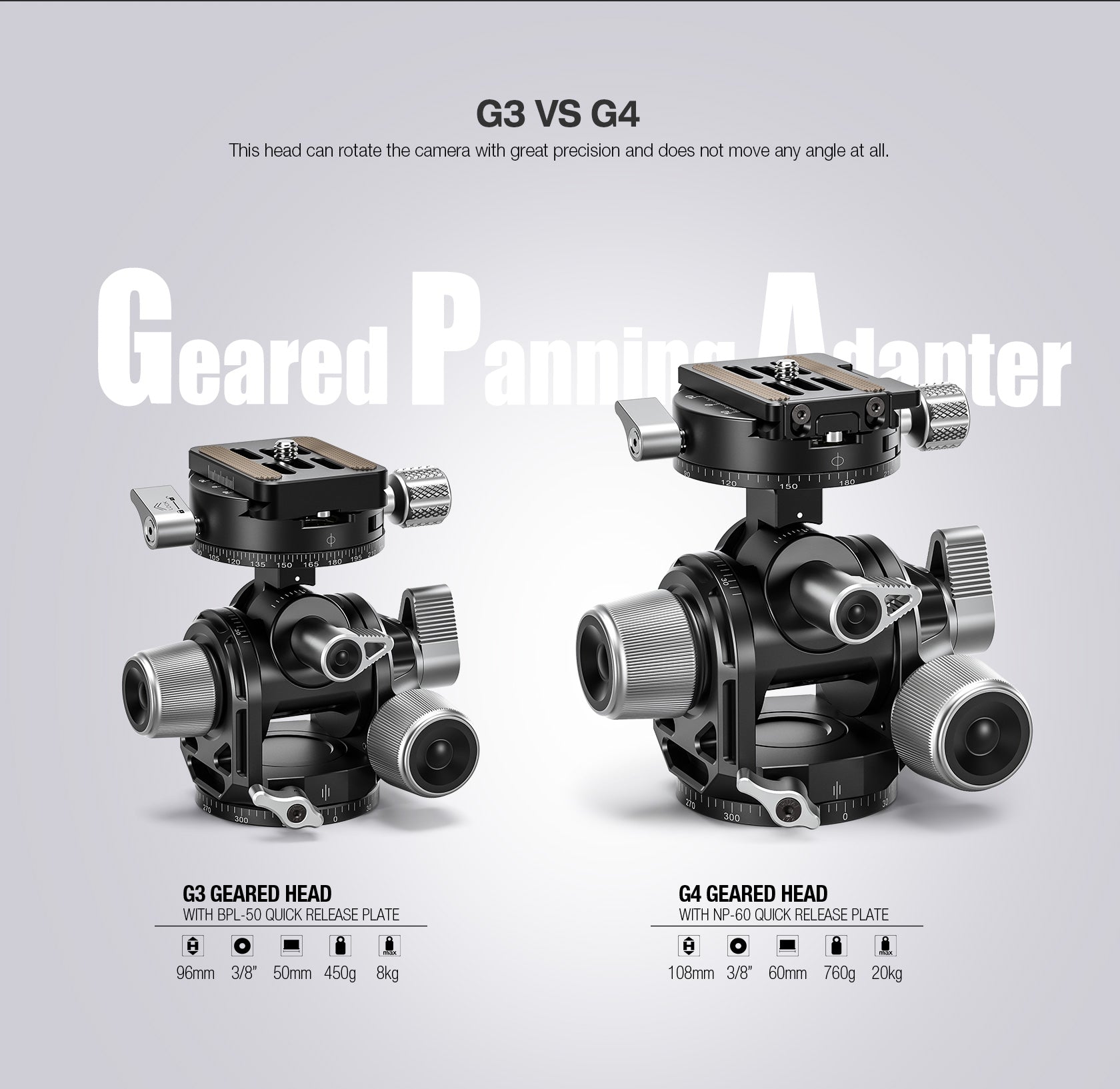
Size - The G3 is the middle-child of Leofoto's offerings and is about 35% smaller than the G4. It measures about 95x95mm, More simply put, it is about the size of a large ball head. This head can be paired with any of Leofoto's 28mm tripods or larger.

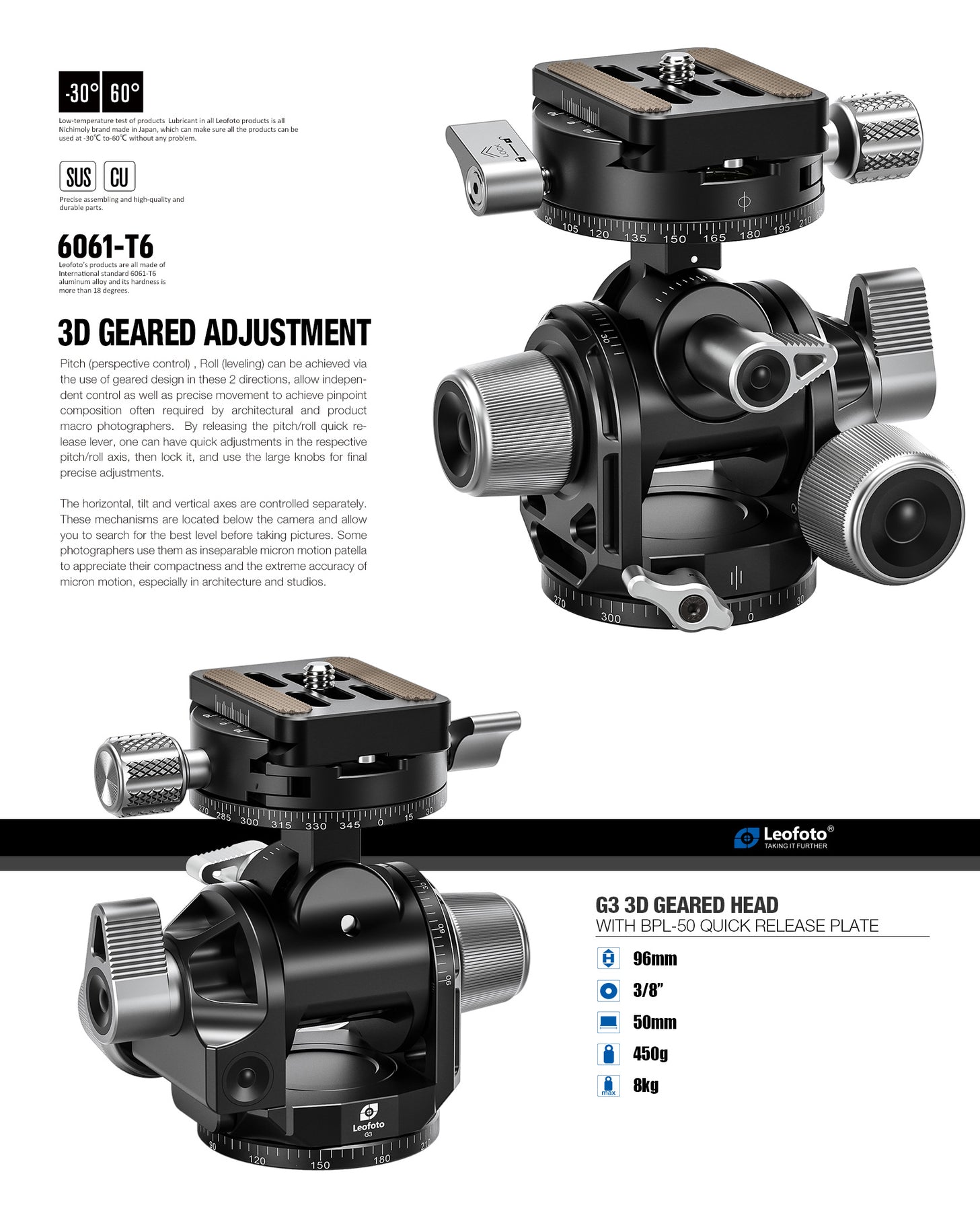
Quality - The G3 looks and feels incredibly solid. There is no excess material and every component has been machined away to trim down excess weight. All external components are machined from aluminium and the internal mechanisms are made of brass and stainless steel. The head mounts to tripods via a brass 3/8” screw hole. There is no compromise in the materials used.

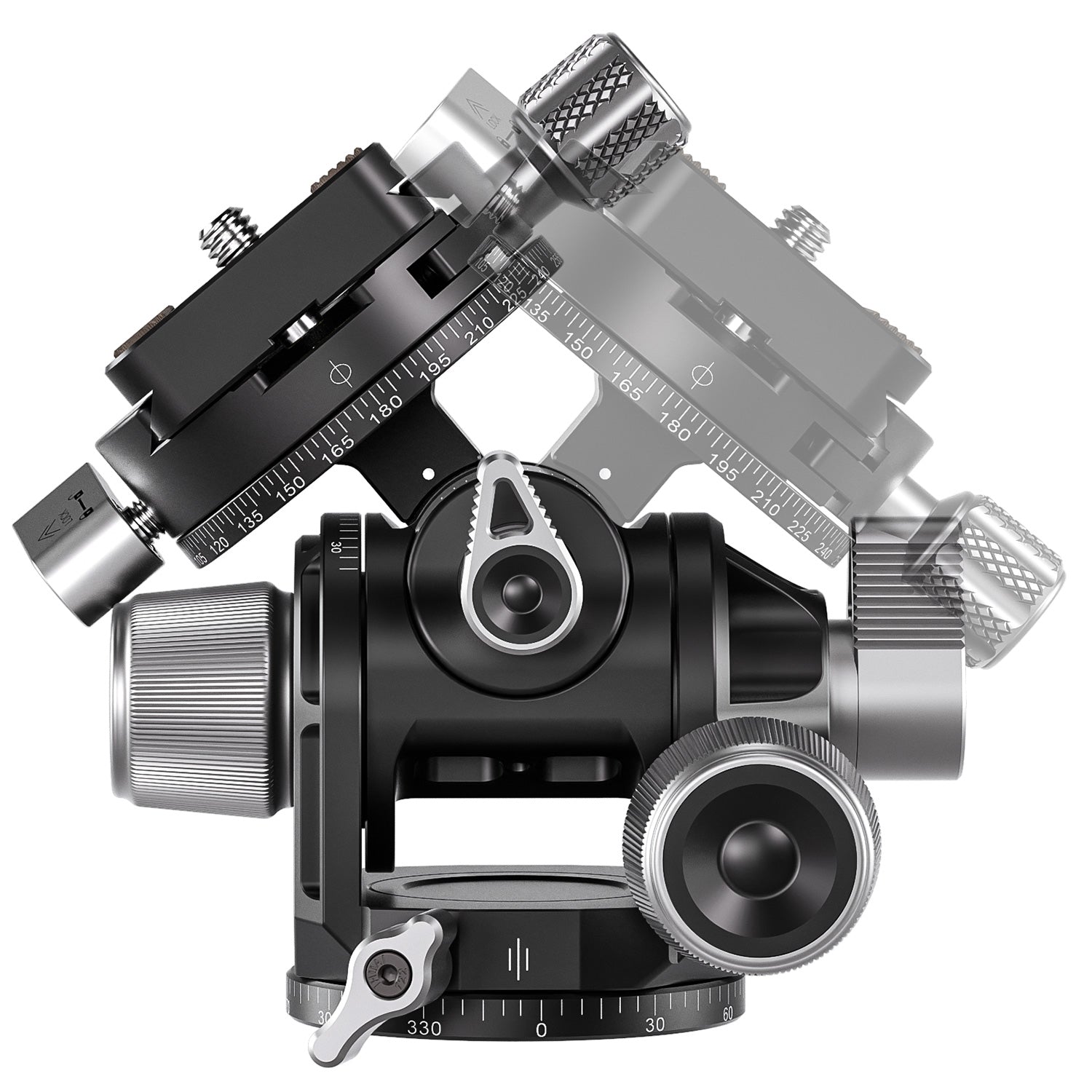
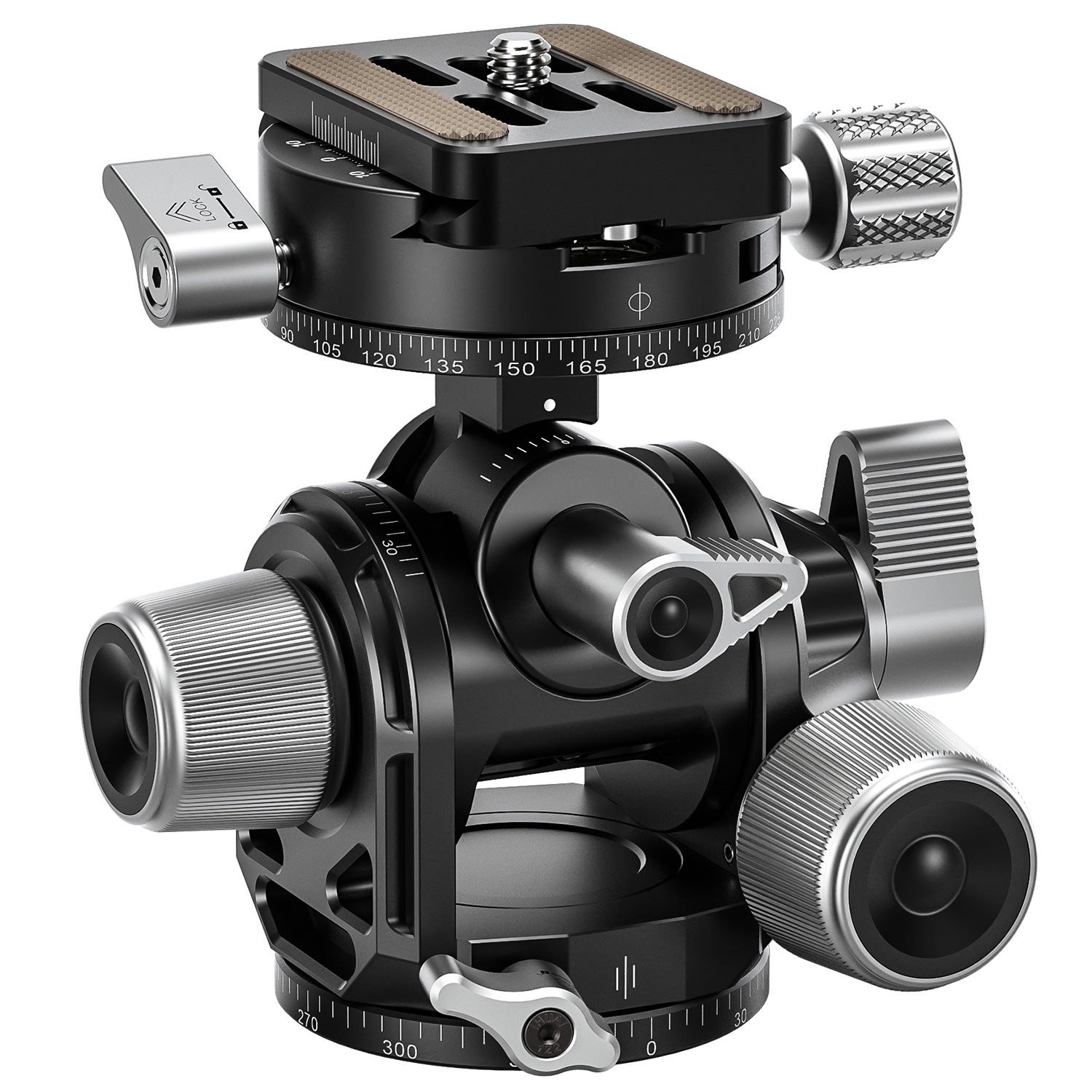
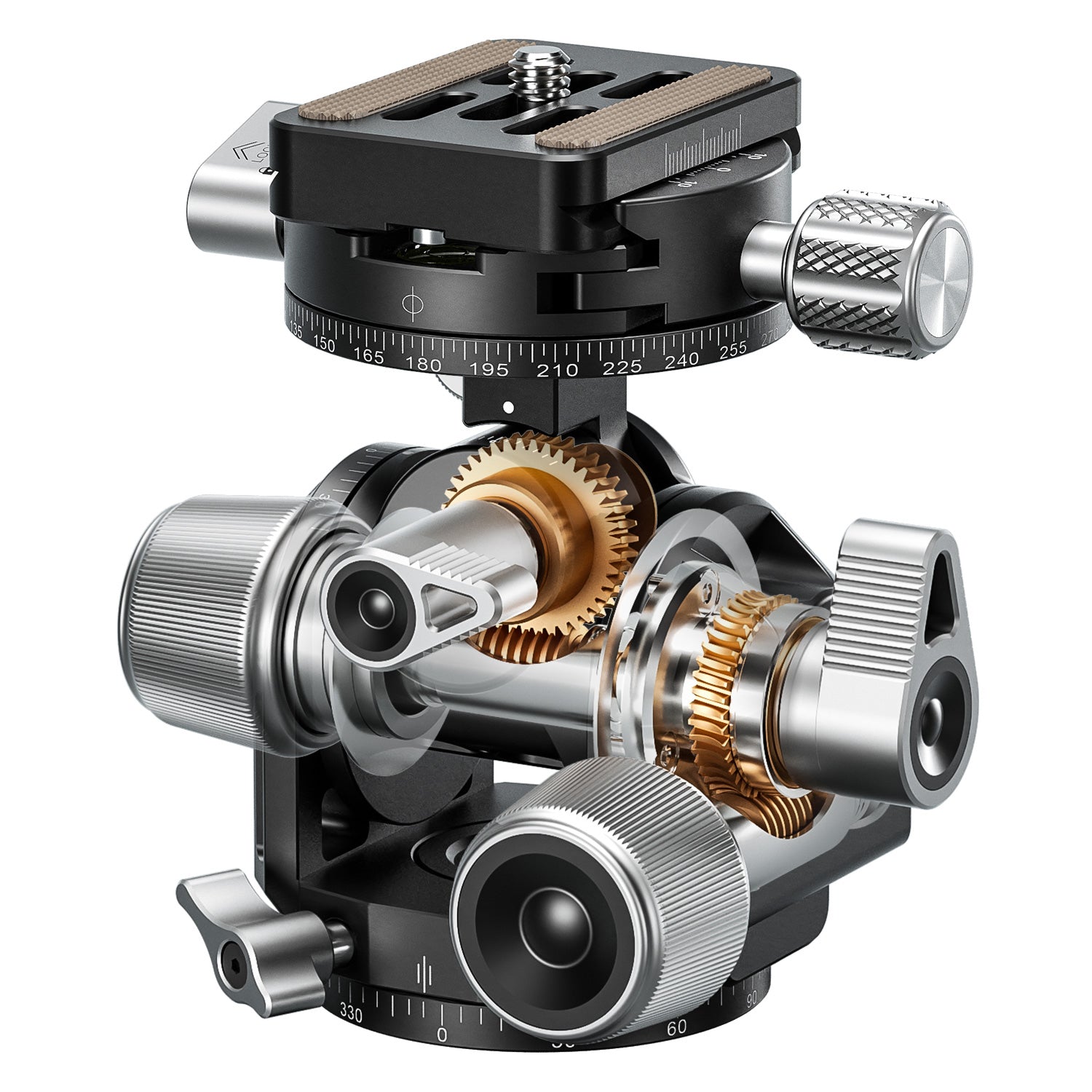
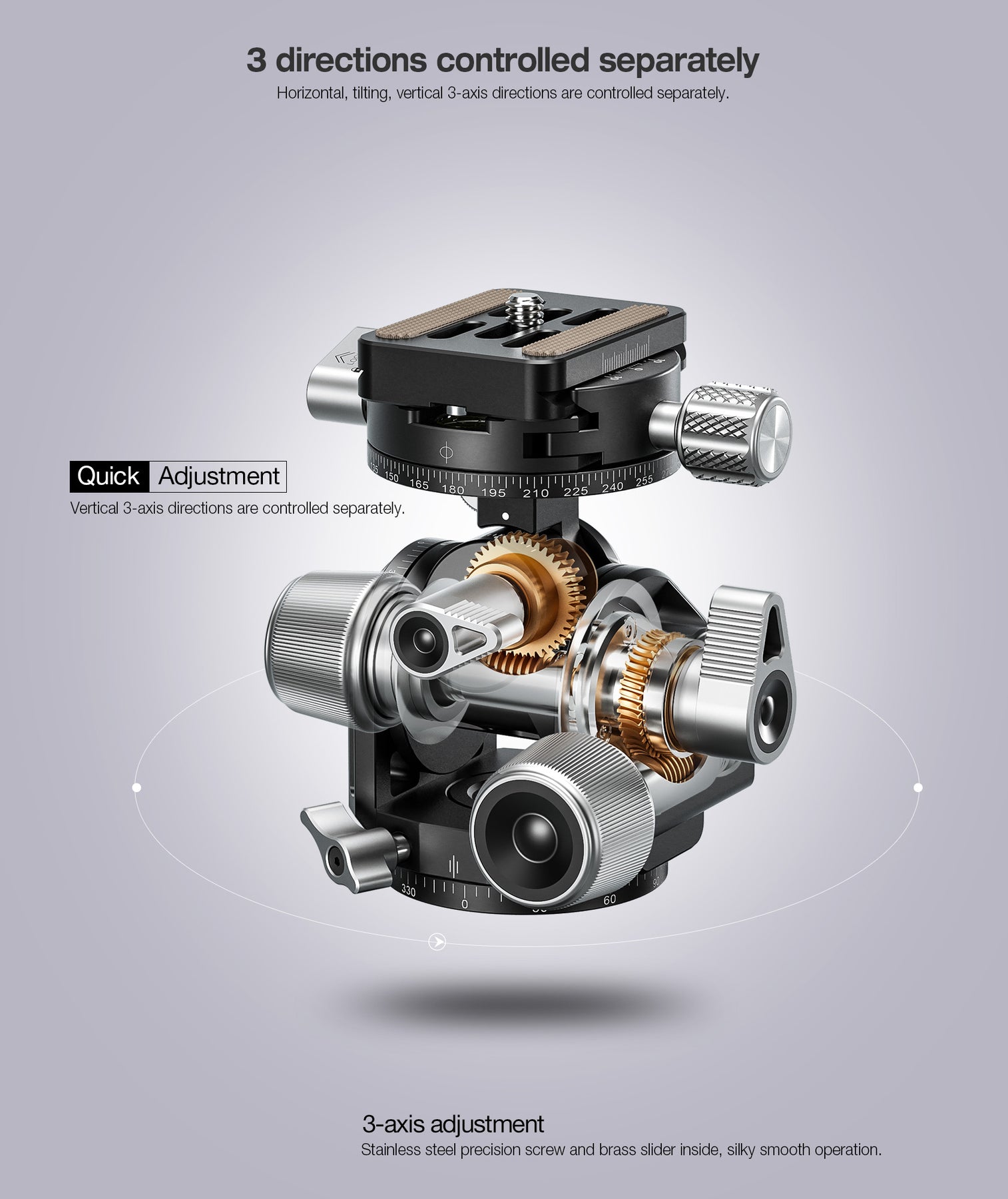
Controls - For those who don’t like to use a tripod, the seven controls on the G4 will be overwhelming, but operation is extremely simple once you’ve had a few minutes to play with the head. 

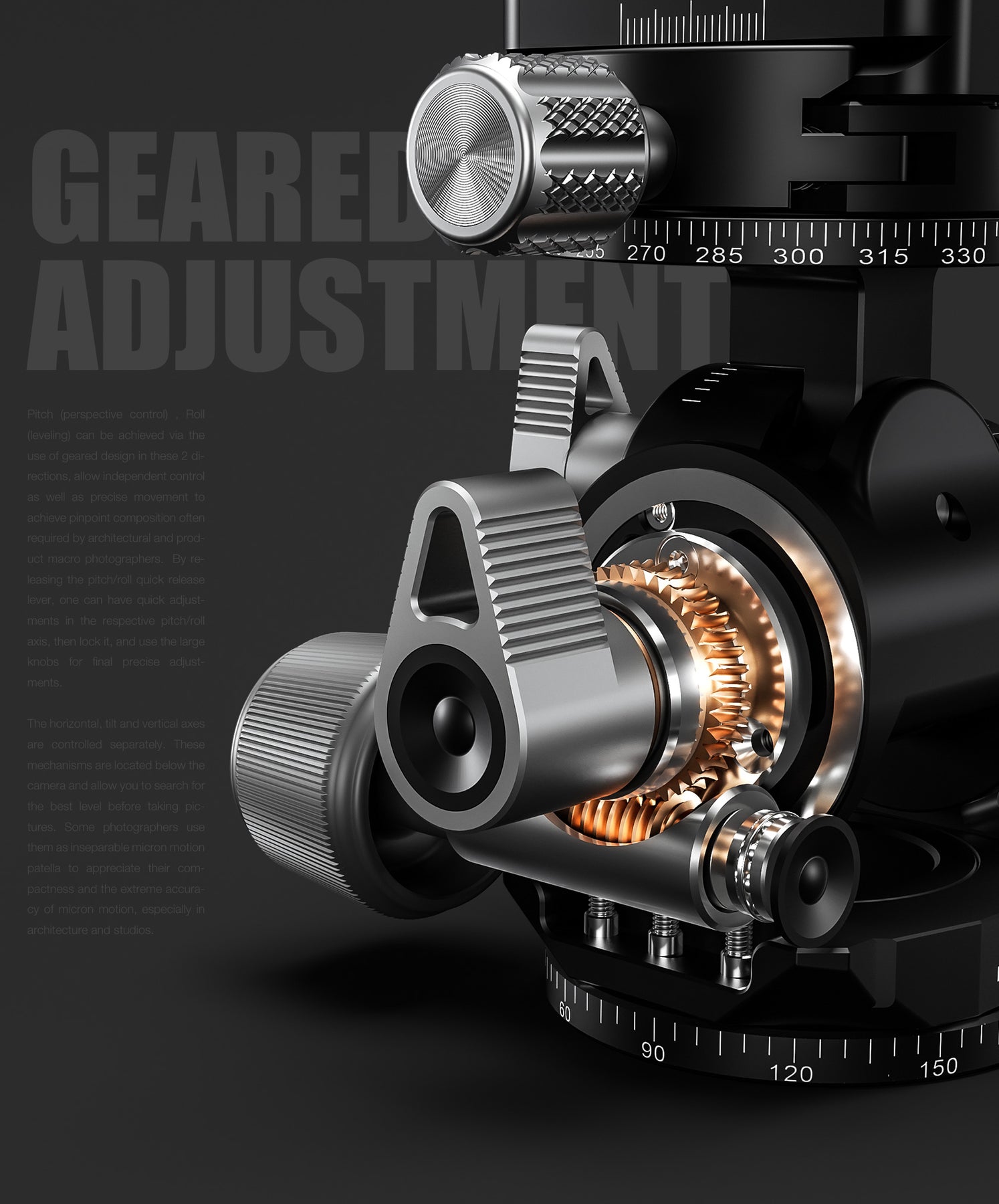
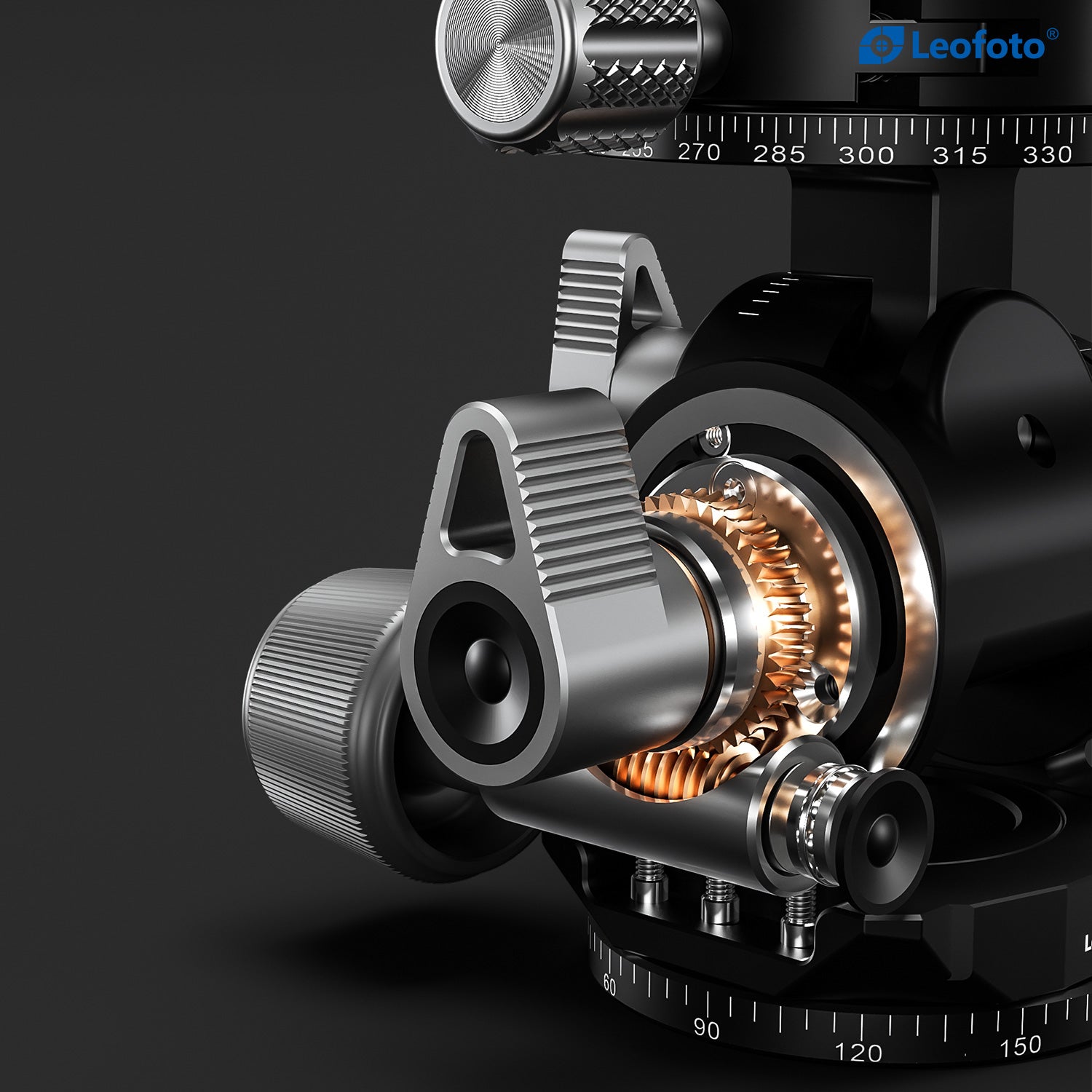
  • The two large round knobs control the geared X- and Y- axes of the head. The gearing is high and buttery smooth, which ensures ultra-fine control of the composition.
  • The two large tap-style levers are the clutches, which disengage the gear mechanisms of the X- and Y-axis. This is for when you’re in a rush and you need to make gross adjustments. These aren’t really used much and many geared heads don’t even have a clutch for the geared axes.
  • The bottom lever controls the primary panning function of the head.
  • The small lever on the clamp controls the secondary panning function.
  • The screw on the clamp is obviously a standard clamp screw for securing your camera.

Load Rating

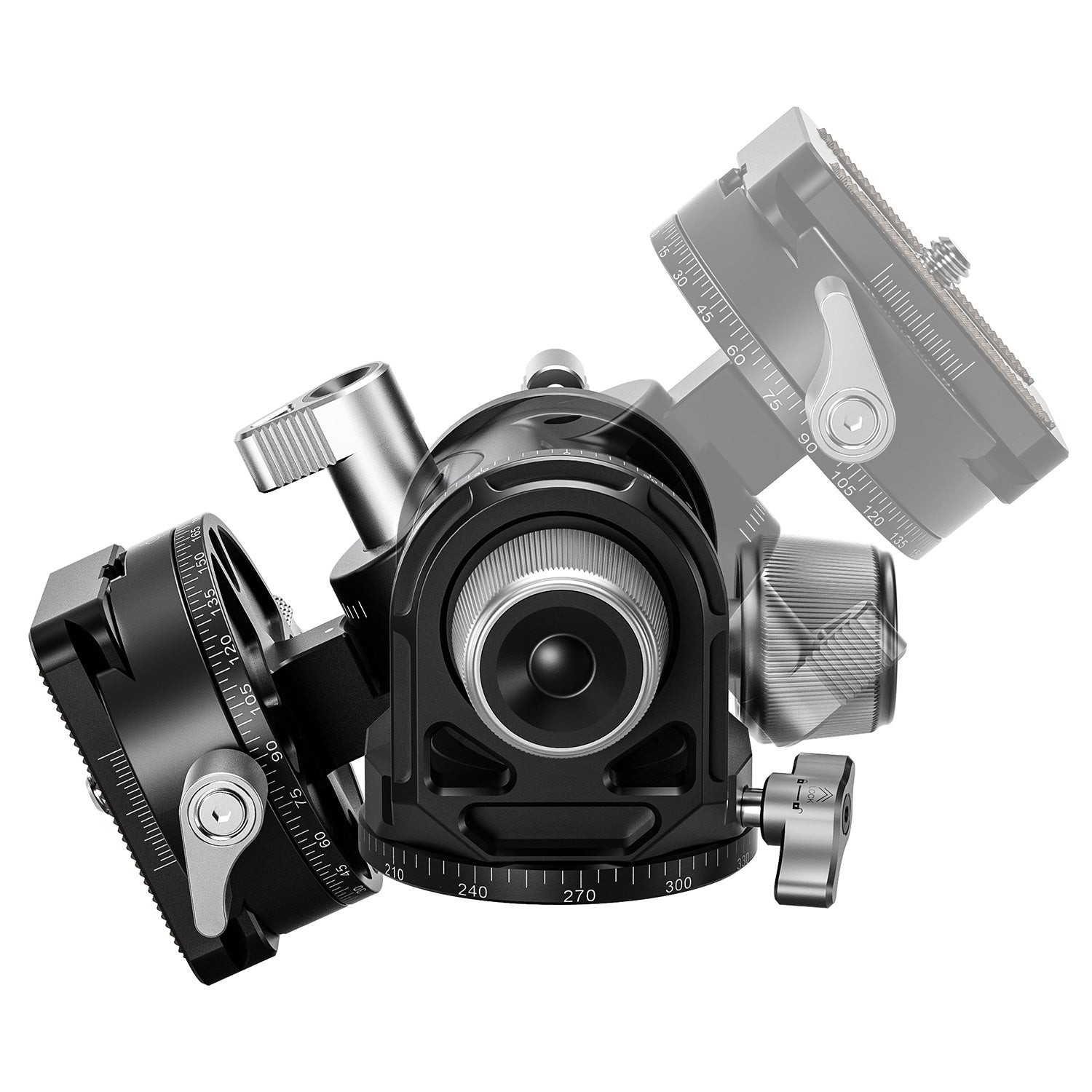
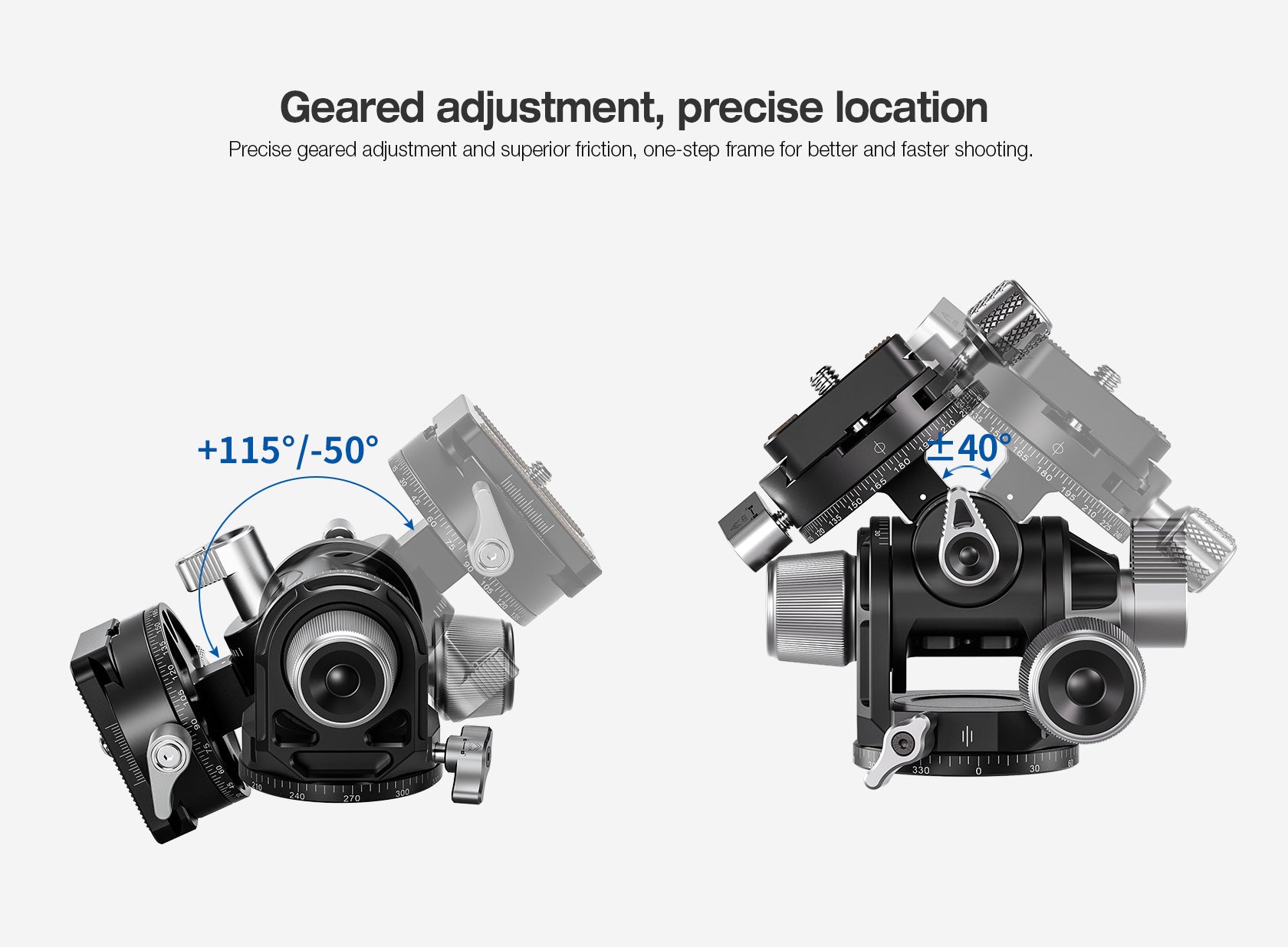
The manufacturer’s load rating of 8kg is a bit ridiculous. The load rating depends greatly on the range of movement you need; If you keep the camera fairly balanced (atop the head), with about a 20-degree vertical movement range, then it can handle the likes of 5-8kg. If, however, you go past a 20-degree angle, in order to get a very slanted shot or to shoot up or down at an extreme angle, then it will probably struggle with a load of more than 4kg. Keep in mind that we always try to be honest about the performance of our products. Firstly, you will likely almost never need to shoot at those angles. Most landscape and architecture work is done with the horizon in the frame, meaning that you’re panning at most 10-20 degrees up or down. Secondly, 4kg is extremely heavy; unless you’re mounting an 800mm on a pro body, you simply won’t come close to that kind of weight.

We put a Fuji GFX100 with the massive GF250mm and 1.4x TC on this head (mounted via lens foot) – this is a truly monstrous combo in size and weight. People are normally shocked at the weight if they pick it up, yet it barely gets the scale past the 3kg mark. The head handles it very comfortably in a tilt range of about 30 degrees, but once the camera really starts hanging on the head, it requires a fair amount of input to move it back up against gravity. Have you ever weighed your favourite body + lens combos? A Canon R5 with the heavy 24mm TS II, batteries and L-bracket weigh under 2kg. So while our conservative estimate of 4kg might not sound like a lot compared to the manufacturer’s 20kg, it is more than 99% of people need.

Shooting in Portrait

As we’ve said a million times on this website and will say a million times more, get an L-bracket. Tripod heads aren’t designed to shoot in two orientations.

Specifications

  • QR Plate: BPL-50
  • panning base diameter: 50mm
  • hight: 96mm
  • Mounting hole: 3/8"
  • Max load: 8kg
  • weight: 450g

CHOOSING LEOFOTO

Tripod Heads

Leofoto offers a vast range of tripod heads to cover a broad base of user requirements. Take a few minutes to educate yourself on what is available, so you can make an informed decision when choosing a head suited to your needs.

Want to see and feel the range before buying? Visit our office in Saxenburg Park, Kuils River by contacting us.

Model naming

Leofoto tripod heads come in a diverse range of styles, sizes and clamp variations. Understanding the naming convention for each of the models is probably the easiest way to understand what each one does.

CHOOSING LEOFOTO

LH Heads

Low profile design offers many advantages over normal ball heads; simpler internal design, lower center of gravity, improved stiffness, greater ball-cup contact area, to name a few.

Choose your size

The range starts with the diminutive LH-25 with a tiny 25mm ball through to the large LH-55 with its 55mm ball. Our absolute favourite is the LH-40 as it features large ribbed control knobs, without being too heavy or expensive.

The LH-55 is an oversized head for super tele lenses or large format cameras. The LH-36 is an ideal size for those shooting with APS-C cameras or light full frame setups. The LH-30 and LH-25 are great for MFT and compact camera options or for people who hike a lot and count every gram that they pack.

Choose your clamp

Most of the LH size options are also available in a range of different clamps. If you like simplicity and price is a major factor, stick to the standard screw clamp. For those who can afford it, a lever release clamp makes the operation of the head a dream. A panning clamp is great for panorama shooting, but it does add weight and make the head more complicated, so avoid it if you're not someone for gadgets.

MOUNTING A STANDARD LENS

Short Lens Plates

There are two features that distinguish a lens plate from a camera plate.


  1. Lens plates have more than one screw as lenses normally have two screw holes at the bottom. 

  2. Lens plates feature an anti-twist flange on one edge. 


Both of these features help to prevent the lens from being able to twist out of alignment on the plate and it's the reason why you can't use a camera plate as a lens plate.

Leofoto Quick Release Plates